
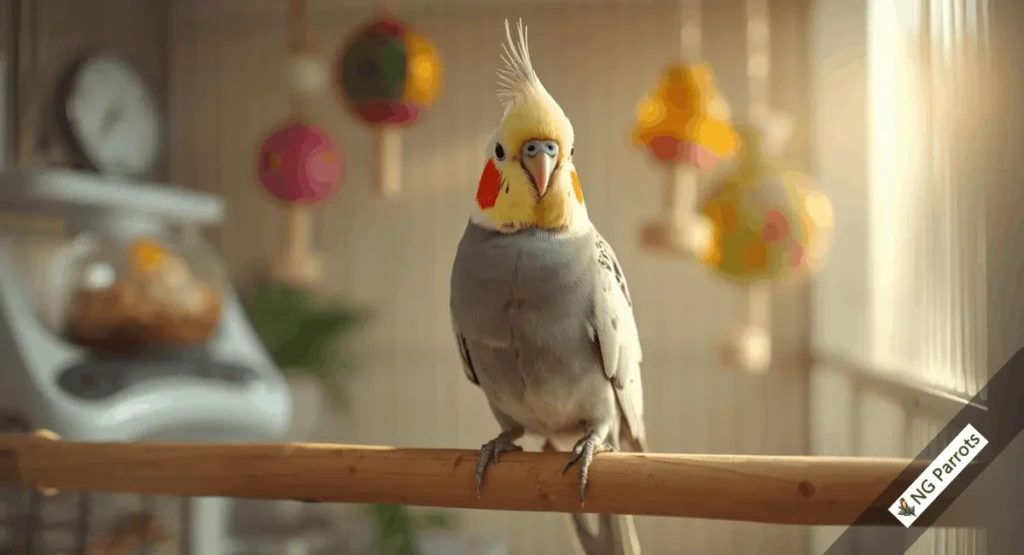
These smart, social parrots can live 15 to 20 years with proper care. Getting the basics right from day one makes all the difference between a stressed bird and a thriving companion.
This guide covers everything new owners need to know.
You’ll learn how to care for a cockatiel from habitat setup to daily feeding. You’ll discover which supplies matter most and which common mistakes to avoid.
By the end, you’ll feel ready to welcome your feathered friend home with confidence.
Is a Cockatiel the Right Pet for Your Life?
Cockatiels need daily attention, out-of-cage time, and mental challenges.
They’re flock animals who get lonely without interaction. Natural World Pets emphasizes that these birds thrive on companionship and can develop behavioral issues when left alone too long.
Think about your daily schedule first.
Can you spend one to two hours each day playing with your bird? Do you travel often for work? Cockatiels don’t do well with neglect. They need you there.
Next, consider the noise factor. While these birds are quieter than larger parrots, they still whistle, chirp, and call out at dawn and dusk.
That might not work if you have noise-sensitive neighbors or a sleeping baby nearby.
Finally, budget matters. Quality pellets, fresh vegetables, toys, perches, and yearly vet visits add up over many years. It is recommended to plan for these ongoing costs before you commit.
Pro Tip: Watch YouTube videos of cockatiels calling and whistling. If that noise level feels manageable in your space, you’re ready to move forward.
Take These Five Steps Before Buying Your Bird
Making the right choice starts with honest self-assessment. Walk through each point carefully.
Check Your Daily Schedule
Can you commit one to two hours every day for training, play, and supervised flight time? Cockatiels need this interaction to stay mentally healthy.
Evaluate Your Living Space
Look for a draft-free indoor spot away from the kitchen. Fumes from nonstick cookware can harm birds. You also need room for a cage that’s at least 24 inches wide.
Talk to Everyone at Home
Kids and other family members need to understand gentle handling. Birds need quiet darkness for 10 to 12 hours each night. Can everyone respect these boundaries?
Plan Your Monthly Budget
List the costs: high-quality pellets, fresh produce, new toys, rope perches, and annual avian vet checkups. Make sure these expenses fit comfortably in your budget.
Do a Reality Check on Noise
Play recordings of cockatiel sounds at the volume you’d hear at home. Listen during morning and evening hours when birds are most vocal. Can you handle this daily?
If you answered yes to all five points, you’re likely ready for pet cockatiel care.
Building a Home Where Your Cockatiel Can Thrive
Your bird needs more than the minimum cage size to be happy.
Hepper’s veterinary-reviewed guidance on cockatiel cages shows that bigger always beats smaller. Choose the largest cage your space and budget allow.
Focus on width over height.
Cockatiels fly horizontally in the wild. They need room to flutter from perch to perch. Bar spacing should be around half an inch. This prevents escape and keeps little heads from getting stuck.
Think in zones when you set up inside the cage.
Create separate areas for food, water, sleeping, and playing. Placing food and water bowls away from perches where droppings might fall.
Add several natural-wood perches of varying widths.
This exercises your bird’s feet and prevents sores. Include a few safe toys like shredded paper, soft wood blocks, and foraging puzzles. Rotate toys every week to prevent boredom.
Placement matters just as much as size.
Put the cage in a bright room where your family spends time. Avoid drafty windows, kitchen fumes, and busy doorways. Your cockatiel needs to feel part of the family while staying safe from household dangers.
Remember: Cover the cage at night or move it to a quieter room. Birds need 10 to 12 hours of darkness to stay healthy and avoid hormonal issues.

Master These Four Cockatiel Care Basics That Prevent Problems
Good cockatiel maintenance means staying ahead of issues before they start.
Through years of connecting bird owners with healthy, well-socialized cockatiels, we’ve learned which care habits make the biggest difference.
Find an Avian Vet Early.
Don’t wait for an emergency. Schedule a wellness exam within the first week of bringing your bird home.
Regular checkups catch small problems before they become serious.
Follow Evidence-Based Advice
Get your information from avian veterinarians and established bird organizations. Social media stories can be helpful, but they shouldn’t replace professional guidance.
Track Weight and Droppings Weekly
Subtle changes often reveal health issues before behavior does. Weigh your bird on a kitchen scale once a week. Note any changes in droppings, including color, consistency, and frequency.
Watch Behavior as Your Guide
A bird that suddenly becomes quiet, fluffs up constantly, or stops eating is telling you something’s wrong.
PetMD’s health monitoring guidelines emphasize catching these warning signs early.
Keep a stable daily routine. Feed at the same time. Maintain consistent sleep schedules. This predictability helps cockatiels feel secure and reduces stress-related behaviors.
Expert Tip: Take photos of normal droppings on your phone. This gives you a baseline to compare against when something looks different.
The 70/30 Nutrition Rule That Extends Your Bird’s Life
Seed-only diets are outdated and dangerous.
According to the Avian Empire’s cockatiel nutrition research, all-seed diets lead to obesity, fatty liver disease, and vitamin deficiencies. Your bird needs balanced cockatiel health care through proper nutrition.
Here’s the modern approach that vets recommend. Feed about 70% high-quality pellets made specifically for cockatiels.
Fill the remaining 30% with fresh vegetables, leafy greens, sprouts, and small amounts of fruit.
Dark leafy greens like kale and spinach provide calcium. Orange vegetables like carrots and sweet potato offer vitamin A. Small pieces of apple or berries make healthy treats.
Save seeds and nuts for training rewards only. Treating seeds as occasional snacks instead of main meals dramatically improves long-term health.
Never feed avocado, chocolate, caffeine, alcohol, or foods high in salt, sugar, or fat. These can be toxic or harmful. Avocado is particularly dangerous because even small amounts can be fatal.
Change water daily. Fresh, clean water matters just as much as good food.
Pro Tip: Introduce new foods gradually. Place tiny pieces next to familiar foods. Your bird might ignore new items for days or weeks before trying them. Stay patient.
Build Trust at Your Bird’s Pace, Not Yours
A well-socialized cockatiel is confident and curious. But rushing the process creates fear that’s hard to undo. Think of taming as building a friendship where your bird sets the speed.
Start by sitting near the cage. Talk softly and move slowly; your new bird needs time to observe you and feel safe. This might take several days or even weeks.
Offer favorite treats through the cage bars. Let the bird choose when to approach. Once it takes treats calmly from your hand, you’re ready for the next step.
Begin gentle step-up training. Present your finger or a small perch at chest level.
Reward any attempt to step up with calm praise and a small treat. Keep training sessions short, just five to ten minutes at a time.
Never chase your bird around the cage. Don’t grab from above. Skip punishment entirely when your bird bites. Bites usually mean the bird feels threatened or overwhelmed.
Important: End every training session on a positive note. If your bird successfully steps up once, celebrate that win and stop for the day.
Daily Care Habits That Keep Your Cockatiel Healthy
Prevention beats treatment every time. Spot-clean the cage daily. Remove soiled paper, old food, and dirty perches.
Do a deeper clean once a week. Wash all perches, bars, and toys with bird-safe disinfectant. Rinse everything thoroughly because chemical residue can harm your bird.
Offer bathing opportunities several times a week. Place a shallow dish of lukewarm water in the cage. Some cockatiels prefer a gentle misting instead. Clean feathers mean better insulation and healthier skin.
Watch for these warning signs that need a vet visit:
- Fluffed feathers for long periods
- Sitting on the cage floor
- Changes in droppings
- Loss of appetite
- Labored breathing
- Sudden changes in voice or activity
Keep in Mind: Nail and beak trims should be done by a professional if you’re not trained. Improper trimming can cause pain and bleeding.
Fix Behavioral Issues by Addressing Root Causes
Screaming, feather plucking, and aggression rarely come from nowhere. These behaviors signal that something’s missing in your bird’s environment or routine.
Boredom is the top cause of problem behaviors. Birds need new toys, foraging challenges, and regular interaction. Without these, they create their own entertainment through screaming or destructive habits.
Poor sleep ranks second. Cockatiels need 10 to 12 hours of quiet darkness. Too much light or noise at night leads to hormonal imbalances and irritability.
Diet problems also affect behavior. Birds on seed-only diets may become lethargic or aggressive. The nutrition imbalance impacts both physical and mental health.
Before labeling a behavior as “bad,” look at what might be missing. Is your bird getting enough sleep? Does it have interesting toys? Are you spending quality time together each day?
Action Item: If behavioral issues persist after addressing these basics, consult an avian vet. Some behaviors stem from medical problems that need professional treatment.
Your Journey Starts Here
Raising a cockatiel brings gentle whistles, funny head bobs, and quiet moments of companionship that last for years. By honestly assessing if a cockatiel fits your lifestyle, setting up a thoughtful habitat, feeding a balanced 70/30 diet, taming with patience, and staying alert to health changes, you give your bird the best possible life.
We’ve helped thousands of bird enthusiasts across the USA, UK, Europe, Australia, Canada, Asia, and the Middle East find their perfect feathered companions. The strong bond you’ll build with your cockatiel starts with understanding its needs and committing to meeting them every single day.
Use this guide as your foundation. Keep learning as you grow together. The more you invest in understanding your bird, the happier and healthier it will be.
Your Cockatiel Questions Answered: Quick Help for New Owners
How long do cockatiels live in captivity?
Cockatiels can live 15 to 20 years with proper care.
Can cockatiels learn to talk like parrots?
Cockatiels can learn to whistle tunes and mimic some sounds, though they’re better known for whistling than clear speech.
What foods are toxic to cockatiels?
Never feed avocado, chocolate, caffeine, alcohol, or foods high in salt, sugar, or fat.
How big should a cockatiel cage be?
Choose the largest cage your space and budget allow, with at least 24 inches in width and bar spacing around half an inch.
Why is my cockatiel hissing or fluffing its feathers?
Hissing means fear or feeling threatened, while prolonged fluffing can signal illness and needs a vet visit.
Do cockatiels need a companion bird to be happy?
Cockatiels are social flock animals, but with enough daily human interaction (1-2 hours), a single bird can be happy.
How often should I bathe my cockatiel?
Offer bathing opportunities with a shallow dish or gentle misting several times a week.
What is the best way to tame a new cockatiel?
Start by sitting near the cage, talking softly, offering treats through bars, and gradually introducing step-up training at the bird’s pace.
Why are non-stick pans dangerous for birds?
Fumes from heated nonstick cookware can be toxic and fatal to birds’ sensitive respiratory systems.
How many hours of sleep does a cockatiel need?
Cockatiels need 10 to 12 hours of quiet darkness each night to stay healthy and avoid hormonal issues.